2026 DBT Workbook – Master Mindfulness, Emotional Regulation & Inner Growth
In an era where mental health awareness is at the forefront of global conversations, tools that support emotional resilience and self-awareness are becoming increasingly vital. The 2026 DBT Workbook stands out as a comprehensive guide designed to help individuals cultivate mindfulness, manage distress, regulate emotions, and enhance interpersonal relationships through the principles of Dialectical Behavior Therapy (DBT). This 120-page, bleed-format guided workbook is not just another resource—it's a transformative tool for anyone seeking lasting mental wellness in today’s fast-paced world.
What Is the 2026 DBT Workbook?
The 2026 DBT Workbook is a thoughtfully crafted resource tailored for professionals, self-coaches, and individuals on a journey of personal growth. It is grounded in the foundational techniques of DBT, which was originally developed by Dr. Marsha Linehan to treat severe emotional dysregulation and borderline personality disorder. However, its applications have expanded far beyond clinical settings, making it accessible and relevant for a wide audience.
This workbook is structured around key components of DBT: mindfulness, distress tolerance, emotion regulation, and interpersonal effectiveness. Each section is designed to be interactive and reflective, encouraging users to engage with their thoughts and feelings in a meaningful way. Whether you're a therapist looking to integrate DBT into your practice or an individual exploring self-improvement, this workbook offers a practical, step-by-step approach to building emotional resilience.
Why Is the 2026 DBT Workbook Gaining Attention?
The growing interest in the 2026 DBT Workbook reflects broader trends in mental health, self-care, and holistic well-being. In recent years, there has been a significant shift toward prioritizing emotional intelligence and mental wellness, particularly among professionals, entrepreneurs, and creatives who face high levels of stress and burnout.
As remote work becomes more prevalent and digital interactions replace face-to-face communication, the need for effective emotional regulation skills has never been greater. The 2026 DBT Workbook addresses this need by offering structured guidance on how to navigate complex emotions, manage stress, and build healthier relationships—all essential skills in both personal and professional contexts.
Moreover, the rise of mindfulness practices in corporate wellness programs, educational institutions, and even healthcare systems underscores the increasing demand for resources like the 2026 DBT Workbook. Its emphasis on self-reflection and skill-building aligns perfectly with modern expectations for tools that are both evidence-based and user-friendly.
Key Features That Set It Apart
What makes the 2026 DBT Workbook stand out is its blend of structure and flexibility. Unlike generic self-help books, it provides a clear framework for developing specific skills while allowing room for personal interpretation and growth. Here are some of the standout features:
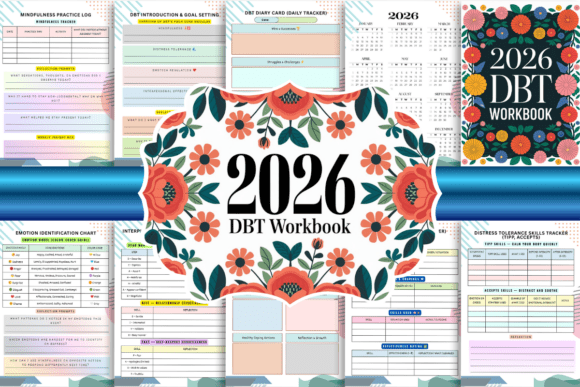
- Goal Setting: Begin your journey by identifying what you want to heal or change through DBT. This section helps you set meaningful, achievable goals that align with your values and aspirations.
- Mindfulness Tracker: Daily practice pages encourage you to record sensations, emotions, and insights from mindful living. This helps build a consistent habit of presence and awareness.
- Emotion Identification Chart: A visual emotion wheel paired with reflection prompts allows you to recognize and name feelings accurately—crucial for emotional regulation.
- Distress Tolerance Tracker: Log real-life moments and DBT coping skills such as TIPP (Thinking, Imagery, Prospective, and Problem Solving) and ACCEPTS (Allow, Act, Complete, Empower, Choose, and Stay) to manage emotional intensity effectively.
- Radical Acceptance Worksheets: Guided pages help you accept what you can’t control and find peace in the present moment, fostering resilience and inner calm.
- Emotion Regulation Journal: Learn to balance emotions and respond with awareness rather than reaction, enhancing your ability to make thoughtful decisions.
- Interpersonal Effectiveness Planner: Practice assertive communication and build stronger, more authentic relationships through targeted exercises and reflections.
Each feature is designed to support long-term transformation, making the 2026 DBT Workbook a valuable companion for anyone committed to personal growth.
How the 2026 DBT Workbook Fits Into Modern Trends
The 2026 DBT Workbook is more than just a self-help tool—it’s a response to evolving needs in the mental health and wellness industry. As people become more aware of the importance of emotional intelligence, they’re seeking resources that offer both depth and accessibility. This workbook meets that demand by providing actionable strategies that are easy to implement in daily life.
Additionally, the rise of digital wellness platforms and online therapy services has created a new market for self-guided tools like the 2026 DBT Workbook. With many individuals preferring to manage their mental health independently, having a structured yet flexible resource is invaluable. It complements other digital tools, such as meditation apps and virtual coaching sessions, by offering a deeper, more personalized approach to healing.
For professionals, the 2026 DBT Workbook serves as a practical reference for integrating DBT techniques into therapy sessions or client workshops. Its clear structure and focus on skill-building make it an excellent resource for therapists, coaches, and educators looking to expand their offerings in the mental health space.
Practical Examples of How It Can Be Used
Imagine a freelance graphic designer who often struggles with anxiety and burnout due to tight deadlines and constant client demands. By using the 2026 DBT Workbook, they can develop strategies to manage stress, regulate emotions, and maintain a healthy work-life balance. The Distress Tolerance Tracker, for example, could help them identify and apply coping skills during high-pressure moments, while the Emotion Regulation Journal encourages them to reflect on their emotional patterns and responses.
Similarly, a small business owner might use the Interpersonal Effectiveness Planner to improve communication with employees, clients, and partners. By practicing assertive communication and conflict resolution techniques, they can foster a more collaborative and supportive work environment.
These examples illustrate how the 2026 DBT Workbook can be adapted to meet the unique challenges of different lifestyles and professions, making it a versatile and valuable resource for a wide range of users.
Conclusion: A Tool for Lasting Transformation
The 2026 DBT Workbook represents a significant step forward in the field of mental health and personal development. By combining the principles of DBT with a user-centered design, it offers a powerful tool for cultivating emotional resilience, self-awareness, and inner growth. Whether you're a professional looking to enhance your practice or an individual seeking to improve your well-being, this workbook provides the guidance and structure needed to achieve lasting transformation.
As we continue to navigate an increasingly complex and fast-paced world, the importance of emotional intelligence and self-regulation cannot be overstated. The 2026 DBT Workbook is not just a book—it’s a pathway to a more balanced, mindful, and empowered life.